
Introduction: Small Spaces Don’t Have to Feel Cramped
Living in a small apartment or cozy home can feel limiting—but the right lighting and lamps can make a massive difference. Many homeowners focus on furniture or wall color, overlooking lighting as a key tool to enhance space. Properly chosen and strategically placed lamps not only illuminate a room but can create the illusion of openness, highlight décor, and elevate style.
In this guide, we’ll explore practical ways to use lighting and lamps to make even the tiniest spaces feel larger, brighter, and more inviting.
Maximize Natural Light
Before adding lamps, consider how natural light enters your room. Windows are your first opportunity to brighten the space.
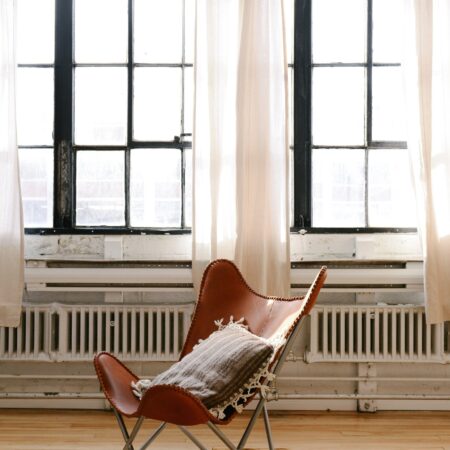
- Use light-colored or sheer curtains to allow daylight in while maintaining privacy.
- Keep window areas uncluttered; avoid large furniture that blocks sunlight.
- Position mirrors opposite windows to reflect light and double its impact.
Tip: A mirror paired with a nearby floor lamp can amplify both natural and artificial light, creating a feeling of openness.
Choose Wall-Mounted and Vertical Lighting
In small spaces, floor and table lamps can take up precious surface area. Wall-mounted sconces or vertical LED lights save space while delivering stylish illumination.
- Place sconces beside beds or sofas instead of table lamps to free up surfaces.
- Consider tall, slim floor lamps in corners—they draw the eye upward and make ceilings appear higher.
Example: A minimalist wall sconce above a reading nook brightens the area without crowding furniture.
Layer Lighting for Depth and Dimension
Layering light is key to creating a sense of space. Combine three types:
- Ambient Lighting: Overhead fixtures or flush mounts for general illumination.
- Task Lighting: Focused lamps for reading, cooking, or working.
- Accent Lighting: LED strips, picture lights, or small spotlights to highlight décor.
Layering reduces shadows, brightens corners, and adds visual interest, making rooms appear larger and more dynamic.
Tip: Dimmable lamps give flexibility to adjust brightness for mood and time of day.
Opt for Sleek, Minimalist Lamps
Bulky, heavy lamps can overwhelm a small room. Choose designs that are slim, clean, and simple.
- Narrow tripod floor lamps or geometric table lamps maintain style without clutter.
- Transparent or reflective lamp bases can visually “disappear,” creating a more open feel.
Trend Insight: In 2026, minimalist lamps with metal or glass finishes are popular for small-space interiors because they blend functionality with aesthetics.
Focus on Corners and Vertical Space
Corners are often underutilized. Placing lamps in these areas can open up the room:
- A tall corner floor lamp can brighten multiple walls and visually expand the space.
- Wall-mounted LED strips can illuminate shelves, creating the illusion of depth.
Pro Tip: Avoid low lighting that leaves dark corners—these make rooms feel smaller. Bright corners, however, trick the eye into perceiving more space.
Use Mirrors and Reflective Surfaces Strategically
Pairing lamps with mirrors amplifies light and enhances the perception of space.
- Position a table lamp or floor lamp near a mirror to reflect light throughout the room.
- Reflective surfaces like glass tables or metallic lamp bases further bounce light and prevent the room from feeling boxed in.
Tip: Even small accent mirrors combined with desk lamps or wall sconces can significantly increase the perceived size of a room.
Conclusion: Small Spaces, Big Impact
With thoughtful lighting, small spaces can feel bright, open, and stylish. By maximizing natural light, layering ambient, task, and accent lighting, using sleek lamps, and strategically brightening corners, you can create rooms that feel much larger than they are.
Start with one corner or one lamp and experiment with placement. Over time, your home will feel more spacious, functional, and inviting—proving that even small spaces can make a big statement.


0 Comments