

Introduction: Unlock the Power of Home Textiles
When you walk into a designer-curated home, everything feels effortless. Often, the secret lies not in the furniture but in the home textiles—cushions, throws, curtains, rugs, and bedding. Designers use textiles strategically to set moods, create focal points, and bring both style and comfort into a space.
In this guide, we’ll share expert insights from interior designers on how to use textiles to refresh your interiors, boost functionality, and inject personality. You’ll also learn actionable steps to elevate your own home.
Textures Add Depth and Dimension
Designers emphasize that layering textures is key to creating a visually rich and welcoming space.
- Mix Smooth and Rough Fabrics: Pair a velvet sofa with a chunky knit throw or a woven rug to create contrast.
- Layering Tip: Combine different textures in complementary colors for a cohesive look.
Example: A living room with a leather armchair, a wool area rug, and linen cushions feels dynamic yet cozy.
Patterns Guide the Eye and Define Style
Patterns aren’t just decorative—they tell a story in a room.
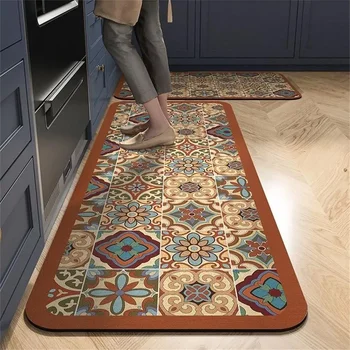
- Large Patterns for Big Surfaces: Use bold patterns on rugs, drapes, or bedding to anchor a space.
- Small-Scale Patterns for Accents: Cushions and throws with subtle patterns add visual interest without overwhelming the room.
- Actionable Tip: Stick to 2–3 patterns in one room to maintain harmony.
Designers often mix geometric, abstract, and botanical patterns for a modern, layered aesthetic.
Color and Mood Setting with Textiles
Textiles are a designer’s secret weapon for mood-setting:
- Warm Tones: Oranges, reds, and yellows create an inviting, cozy atmosphere.
- Cool Tones: Blues, greens, and neutrals evoke calm and spaciousness.
- Seasonal Rotations: Designers often swap cushion covers or throws to refresh energy with the seasons.
Fun Fact: Studies show that rooms with warm textiles are perceived as 10–15% cozier by occupants.
Functional Textiles Blend Style with Practicality
Designers don’t sacrifice functionality for aesthetics. Textiles serve multiple purposes:
- Rugs: Define spaces and reduce noise.
- Curtains: Add elegance while controlling light and privacy.
- Cushions & Throws: Comfort for seating and layering.
- Multipurpose Pieces: Weighted blankets or convertible covers combine utility and decor.
Pro Tip: Choose durable, washable fabrics in high-traffic areas like living rooms or playrooms.
Sustainable Fabrics Are Trending
Eco-conscious design is rising in popularity. Designers now choose textiles that are sustainable and luxurious:
- Organic Cotton & Linen: Soft, breathable, and renewable.
- Hemp & Recycled Fabrics: Stylish, eco-friendly, and durable.
- Trend Insight: Homes with sustainable textiles feel more authentic and inviting.
Actionable Insight: Incorporate one sustainable fabric per room—like organic linen curtains or recycled cotton cushions—to make an impact without overwhelming your budget.
5 Tips from Designers
- Layer Thoughtfully: Combine 2–3 textures and patterns per room.
- Invest in Key Pieces: Rugs, curtains, and cushions are high-impact textiles worth splurging on.
- Balance Color: Use textiles to complement your furniture and wall palette.
- Rotate Seasonally: Refresh with lighter fabrics in summer and cozy materials in winter.
- Prioritize Function: Opt for durable and easy-care textiles in everyday spaces.
Conclusion: Transform Your Home with Designer Insights
By understanding how designers use home textiles, you can elevate your interiors with minimal effort. Layer textures, balance patterns, and prioritize both comfort and functionality to create a home that’s stylish, inviting, and truly yours.
Call-to-Action: Start with a few key pieces—like a luxurious rug or statement cushions—and watch your space transform. Subscribe to our newsletter for more designer tips and trends in home textiles for 2026.


0 Comments